
corporal punishment

Preventing Punitive Violence: Implementing Positive Discipline in Everyday Parenting (PDEP) with Marginalized Populations in Bangladesh

Christine A. Ateah 1,* , Laila Khondkar 2, Firozul Milon 3 and Rasheda Rabbani 4 Abstract: Physical and other types of punishment remain common in Bangladesh, despite overwhelming evidence of their harm and worldwide efforts to decrease their use. One of the strategic priorities of Save the Children in Bangladesh’s Child Protection Program is to […]

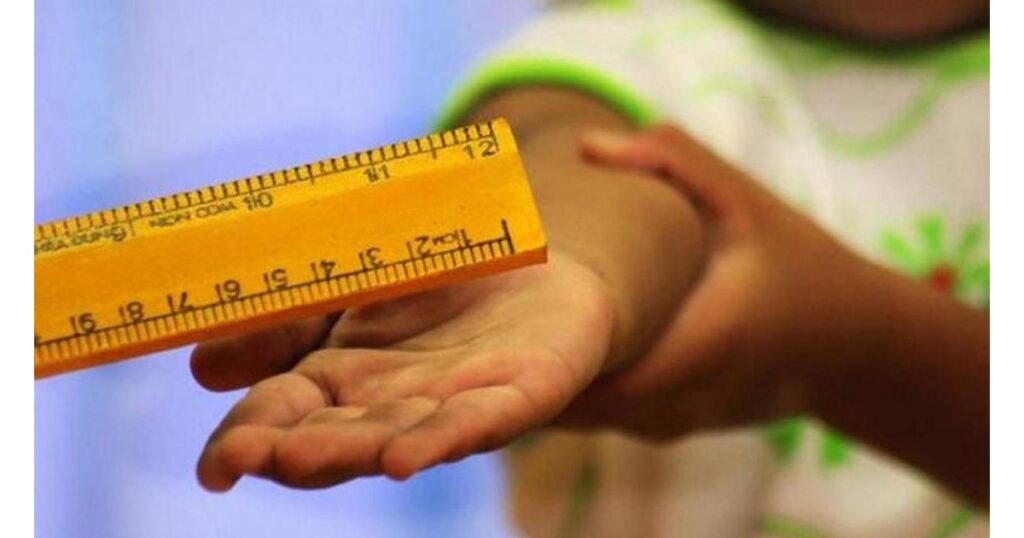
Preventing Punitive Violence: Implementing Positive Discipline in Everyday Parenting (PDEP) with Marginalized Populations in Bangladesh Read More »

Not just law, we need social change to end corporal punishment

Corporal punishment is defined as any punishment in which physical force is used with the intent to cause some degree of pain or discomfort, however light. Degrading and humiliating punishment also falls under this definition. Corporal punishment violates not just children’s right to freedom from all violence, but also their rights to health, development and

Not just law, we need social change to end corporal punishment Read More »

Ending corporal punishment of children: Time for action is now!

This is an opportune moment to discuss this issue with April 30 being observed as the International Day to End Corporal Punishment of Children. Corporal punishment includes any punishment in which physical force is used and intended to cause some degree of pain or discomfort, as well as non-physical forms of punishment that are cruel

Ending corporal punishment of children: Time for action is now! Read More »

Scroll to Top